What are the structural risks of untreated water damage?
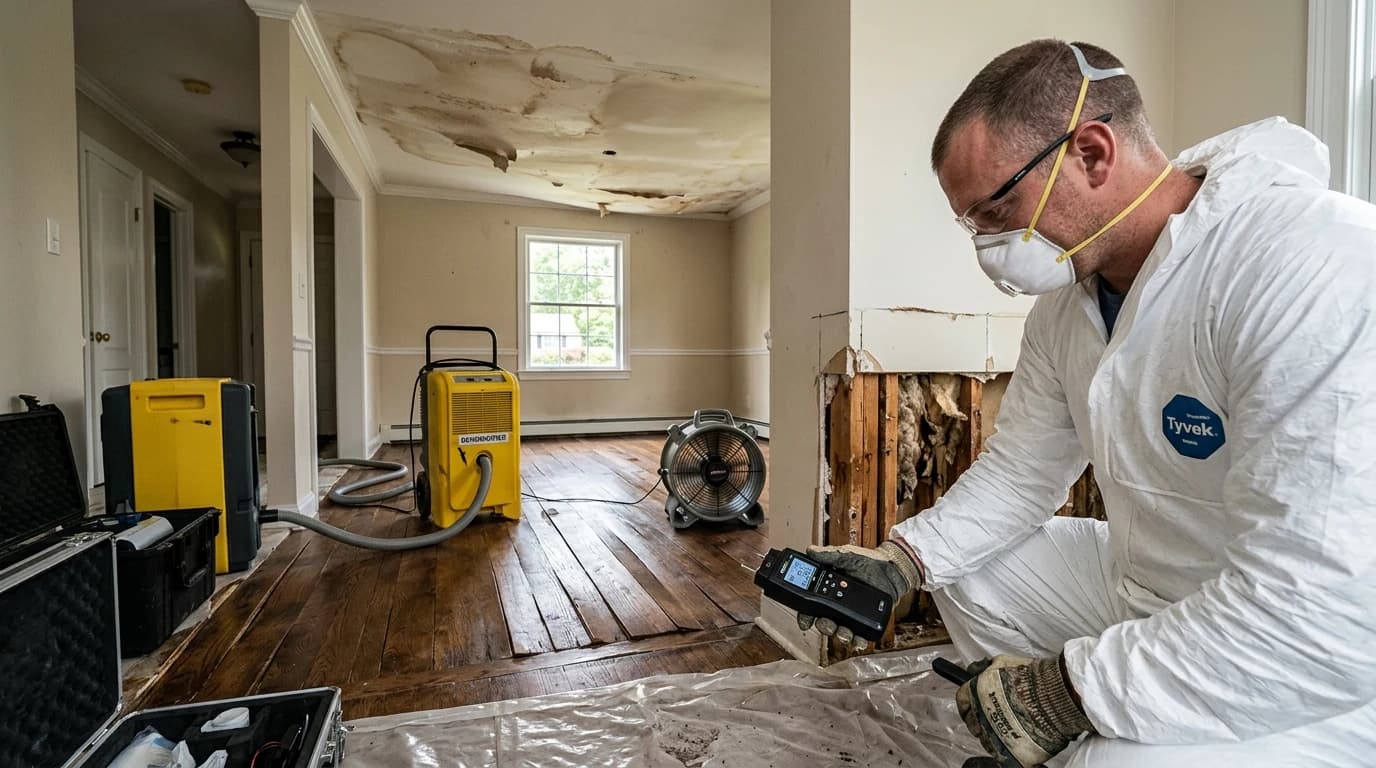
Untreated water damage can weaken the structural integrity of your home, potentially leading to catastrophic outcomes. Water infiltration can saturate and erode foundational materials like concrete, causing cracks and destabilization. Over time, the constant exposure to moisture can warp wooden beams and studs, leading to uneven floors and walls that may eventually buckle or collapse. In areas like Ho-Ho-Kus, where seasonal weather changes are pronounced, the freeze-thaw cycle can exacerbate these issues, as water that has seeped into cracks can freeze and expand, further damaging the structure. Additionally, water damage can lead to corrosion of metal components such as pipes and fasteners, compromising the overall stability of your home. It's essential to address water damage immediately, as delays can transform minor repairs into major reconstruction projects. Regular inspections, especially after severe weather events, can help identify and mitigate risks early on.
How does untreated water damage affect health?
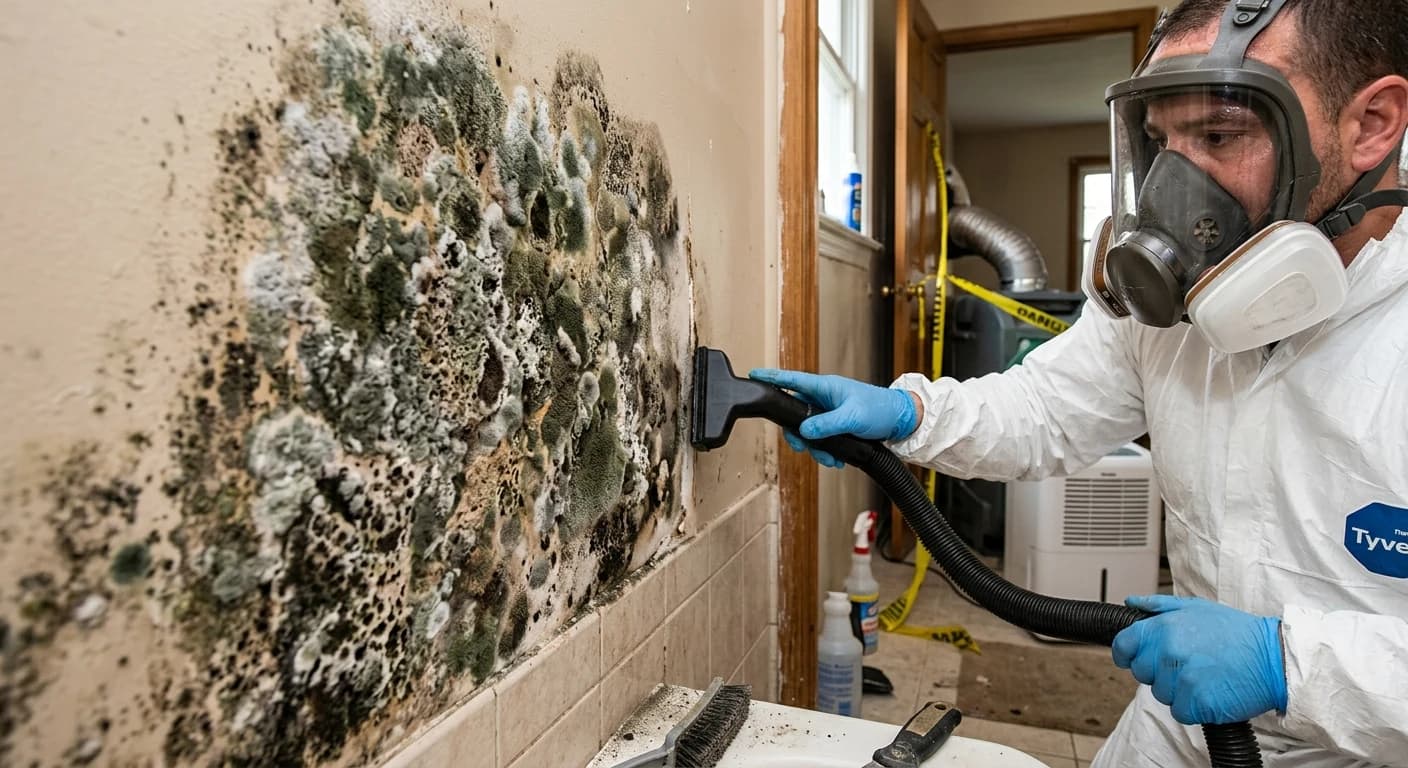
Ignoring water damage can create an environment conducive to mold growth, which poses serious health risks. Mold spores thrive in moist environments and can spread rapidly through a home, often going unnoticed until they have caused significant damage. Exposure to mold can lead to a variety of health issues, including respiratory problems, allergic reactions, and in severe cases, neurological issues. Symptoms can range from mild irritation, such as sneezing and skin rashes, to more severe reactions like asthma attacks or chronic sinus infections. Young children, the elderly, and individuals with pre-existing respiratory conditions are particularly vulnerable. Furthermore, certain types of mold, such as black mold (Stachybotrys chartarum), can produce mycotoxins that are particularly harmful. To protect your family's health, it's crucial to address water damage promptly and effectively. If you suspect mold growth, it's advisable to contact a professional restoration service that can perform a thorough assessment and remediation. For more details, visit our contact page.
What are the financial implications?
While it might seem cost-effective to delay repairs, untreated water damage can lead to significantly more expensive problems down the road. Initially, you might only face minor repairs, but as the damage progresses, it can necessitate major structural repairs or even complete replacements of affected areas. For instance, a small leak left unattended can lead to widespread mold infestation, requiring costly remediation and renovation. Additionally, if water damage is left unaddressed, it may result in gradual depreciation of your property's value. Prospective buyers are often wary of homes with a history of water damage, fearing hidden issues that may not be immediately apparent. Moreover, insurance companies may deny claims if they determine that the damage was a result of neglect. This could leave homeowners facing substantial out-of-pocket expenses. Therefore, regular maintenance, early intervention, and professional inspections are highly recommended to mitigate these financial risks. Investing in preventive measures, such as proper home drainage systems and regular roof inspections, can save significant amounts in the long run.
Environmental Impact of Untreated Water Damage
Untreated water damage doesn't just affect your home; it can also have a significant environmental impact. When water damage is left unresolved, it can lead to the growth of mold and mildew, which release spores into the air. These spores can contribute to poor air quality, not just indoors but also in the surrounding environment. Additionally, water damage can lead to the deterioration of building materials, which may result in the release of harmful chemicals and pollutants. For example, when drywall or insulation becomes saturated and begins to break down, it can release volatile organic compounds (VOCs) into the air. Moreover, untreated leaks can lead to water wastage, which is a critical concern in areas that experience water scarcity. The excess moisture can also encourage pests such as termites and rodents, which can further damage the ecosystem by disrupting local flora and fauna. Addressing water damage promptly not only protects your home but also helps maintain a healthier environment. Implementing water-efficient practices and ensuring proper drainage can mitigate these environmental impacts.
Legal and Insurance Considerations
Leaving water damage untreated can also lead to legal and insurance complications. Homeowners are generally expected to maintain their properties to prevent hazards and further damage. Failure to address water damage can be seen as negligence, which might lead to legal liability if the damage affects neighboring properties. For instance, if water seeps into a shared wall in a townhouse or condominium, it could result in disputes with neighbors or even legal action. From an insurance perspective, most policies require homeowners to take reasonable steps to prevent further damage once an issue is identified. If water damage is reported late, insurance companies might deny claims on the grounds of neglect, leaving you responsible for all repair costs. It’s crucial to understand your policy’s terms and promptly report any water damage to your insurer. Keeping detailed records of inspections and repairs can support your claims and ensure you remain compliant with policy requirements. This proactive approach can help you avoid legal issues and ensure that your insurance coverage remains intact.
Long-term Effects on Home Value
Leaving water damage untreated can have a profound impact on the long-term value of your home. Over time, the presence of water damage can lead to a host of issues that may deter potential buyers, making it difficult to sell your home or achieve the desired price. Water damage often results in visible signs such as stains, peeling paint, and warped floors, which are immediate red flags for buyers. Moreover, the potential for hidden problems like mold growth or structural damage can scare off even the most interested parties. Many homebuyers will request a thorough inspection before purchasing, and any signs of water damage can lead to reduced offers or demands for repairs before closing. Additionally, homes with a history of untreated water damage may be subject to higher insurance premiums, as insurers often view them as higher risk. This can further decrease the appeal of your property in the market. To preserve your home’s value, it’s crucial to address water damage promptly, ensuring that repairs are done professionally and thoroughly documented. This proactive approach not only safeguards your investment but also provides peace of mind for future buyers.
Preventive Measures to Avoid Untreated Water Damage
Preventing water damage is far more cost-effective than dealing with its consequences. Homeowners can take several proactive measures to protect their property from water damage. First, regular maintenance and inspections are key. Check your roof, gutters, and downspouts to ensure they are clear of debris and in good condition, as these are common entry points for water. Seal any cracks in your foundation and around windows and doors to prevent water intrusion. Installing a sump pump in your basement can also be a wise investment, particularly in areas prone to flooding. Additionally, ensure that your property has proper grading to direct water away from your home’s foundation. Inside the home, regularly inspect plumbing fixtures and appliances for leaks or signs of wear and tear, replacing any faulty parts promptly. Consider installing water sensors in vulnerable areas like basements and under sinks to receive early warnings of leaks. In places like NJ, where seasonal weather can be unpredictable, these preventive steps can significantly reduce the risk of water damage. By taking these measures, you can protect your home and avoid the costly and extensive repairs associated with untreated water damage.